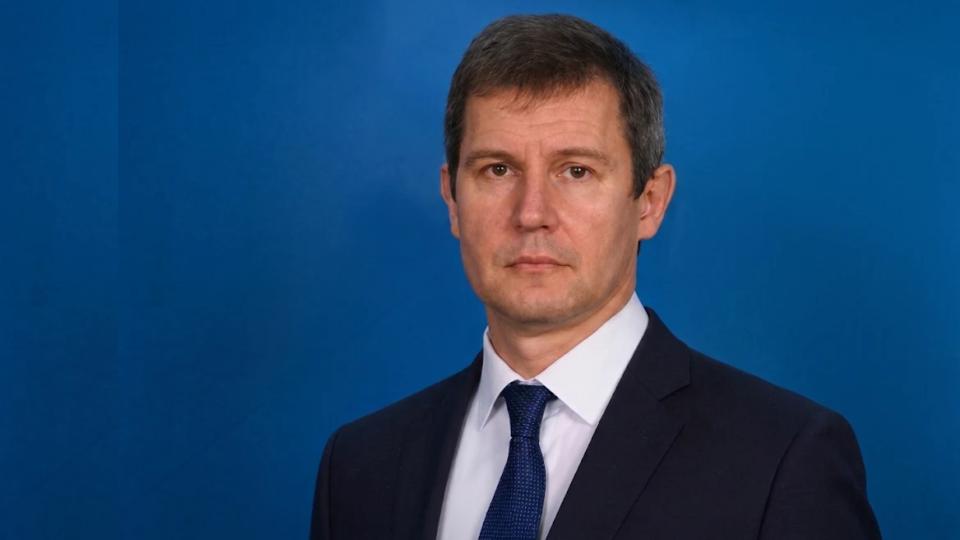
The Kremlin’s latest African pivot reveals deeper strategic intentions behind Moscow’s personnel reshuffling in sub-Saharan embassies. A presidential decree dated November 10, 2026, confirmed the appointment of Gueorgui Tchepik as Russia’s ambassador to Gabon, marking a deliberate shift toward profiles deeply familiar with African corridors of power.
This move is not happening in isolation. Parallel to Libreville, Moscow reassigned Alexeï Sentebov to Gaborone, replacing Andreï Kemarski. Both diplomats bring extensive continental experience—former heads of mission in Kinshasa and Pretoria respectively—signaling a coordinated effort to rebalance Russian influence across the region.

In selecting Tchepik, the Russian Foreign Ministry opted for a diplomat whose career mirrors the continent’s evolving challenges. Entering the diplomatic corps in 1990, he has since navigated postings in South Africa, served as deputy director of the Africa Department in Moscow, and led Russia’s mission in neighboring Congo-Brazzaville from 2019 to 2024. His fluency in French, English, and Arabic positions him as a uniquely equipped interlocutor at a pivotal moment for Gabon’s foreign policy.
Inside Moscow’s strategic calculus for Central Africa
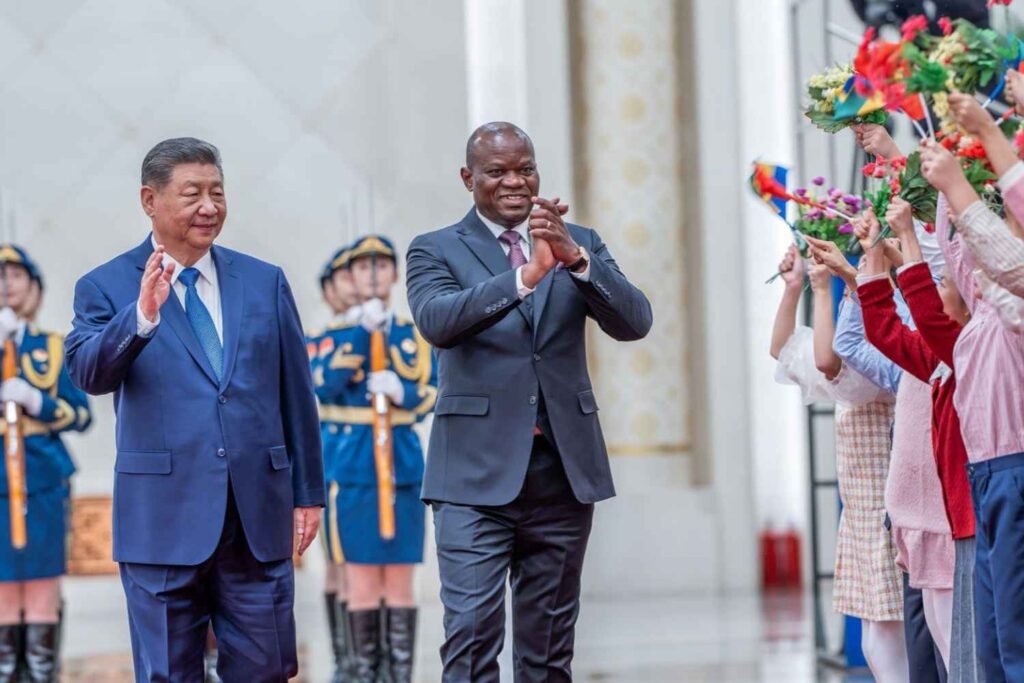
The timing of Tchepik’s posting coincides with tangible momentum in Russia-Gabon relations, crystallized during the most recent Russia-Africa Summit in Sochi. Gabon’s high-level delegation, led by Vice-President Hermann Immongault, used the platform to push for direct engagement with the Kremlin—beyond symbolic gestures.
These discussions laid groundwork for concrete collaborations, particularly in sectors where Gabon seeks transformation: mineral processing, vocational training, energy infrastructure, and security enhancement. Librevilles’ outreach reflects a broader quest to diversify partnerships without compromising sovereignty.
From summit handshakes to on-the-ground implementation
Diplomatic postings rarely happen by chance. Tchepik’s arrival follows months of preparatory exchanges between Russian economic advisers and Gabonese officials, focused on identifying high-impact areas where Russian expertise could accelerate development goals.
The ambassador’s profile—seasoned, multilingual, and steeped in Central African political economy—serves as both an asset and a signal. It communicates Moscow’s intent to move beyond transactional interactions, aiming instead for institutionalized cooperation that withstands electoral cycles and commodity price volatility.
What Gabon could gain from this diplomatic depth
For Libreville, the benefits could be threefold. First, access to Russian state-backed investments in mining and agri-processing without heavy reliance on Western financing. Second, an influx of technical vocational programs, addressing critical skill gaps in the workforce. Third, bolstered security dialogue, particularly as regional instability creeps eastward.
The choice of Tchepik, therefore, is less about filling a vacancy and more about embedding Russian institutional presence in a country long considered a French sphere of influence. If executed effectively, this mission could redefine Gabon’s diplomatic portfolio—placing it at the heart of an emerging Moscow-centric partnership network in francophone Africa.